1.Introduction
The development of high-performance substrate materials is the cornerstone of SERS technology advancement. The discovery of two-dimensional transition metal carbides and nitrides (MXenes) in 2011 injected new vitality into SERS technology, primarily due to their tunable surface/photoelectronic properties, excellent biocompatibility, and flexible self-assembly characteristics. Unfortunately, defects and surface capping groups are inevitably introduced during the preparation of MXenes, making them prone to oxidative degradation and thus severely affecting their service life. Currently, some insightful strategies have been proposed to address the key challenges and issues of MXenes as SERS substrates. For example, solid-body strategies, surface group optimization, and composition tuning have been employed to enhance their SERS activity (increasing DOS or charge transfer pathways), while crystallographic engineering or thermal treatment has been utilized to improve the stability of MXenes (reducing crystal defects or capping group coverage). Despite these measures yielding some encouraging results, achieving multidimensional regulation of MXenes from structure to performance, especially simultaneously enhancing SERS activity and stability, remains a key bottleneck for MXenes-based SERS substrates.
2.Summary of Research Findings
For this challenge, Professor Dang Alei and Li Tiehu proposed a crystal surface engineering technology that kills two birds with one stone. By customizing the exposed crystal faces of TiO2 during the oxidation process of Ti3C2 MXene, the Ti3C2-TiO2 hybrid substrate with a narrower bandgap and higher density of states was optimized. The stable lattice and heterostructure addressed the inherent oxidation sensitivity of the material (no signal decrease within 180 days), while achieving a stronger charge transfer resonance effect (5.52×10⁴ times higher than pure Ti3C2). Furthermore, the Schottky barrier formed between Ti3C2 and TiO2 promoted the separation of photogenerated electron-hole pairs, enabling the substrate to be recycled (with a degradation rate of 92.7% for MeB at 80 minutes). This work provides guidance for utilizing crystal facet engineering to regulate the SERS performance of substrates. The paper was recently published under the title "Misfortune begets Fortune? Tailoring Facets in MXene Oxidation Process for Sensitive and Recyclable SERS Platform." in Nano Letters (https://doi.org/10.1021/acs.nanolett.6c03277).
3.Graphical Overview
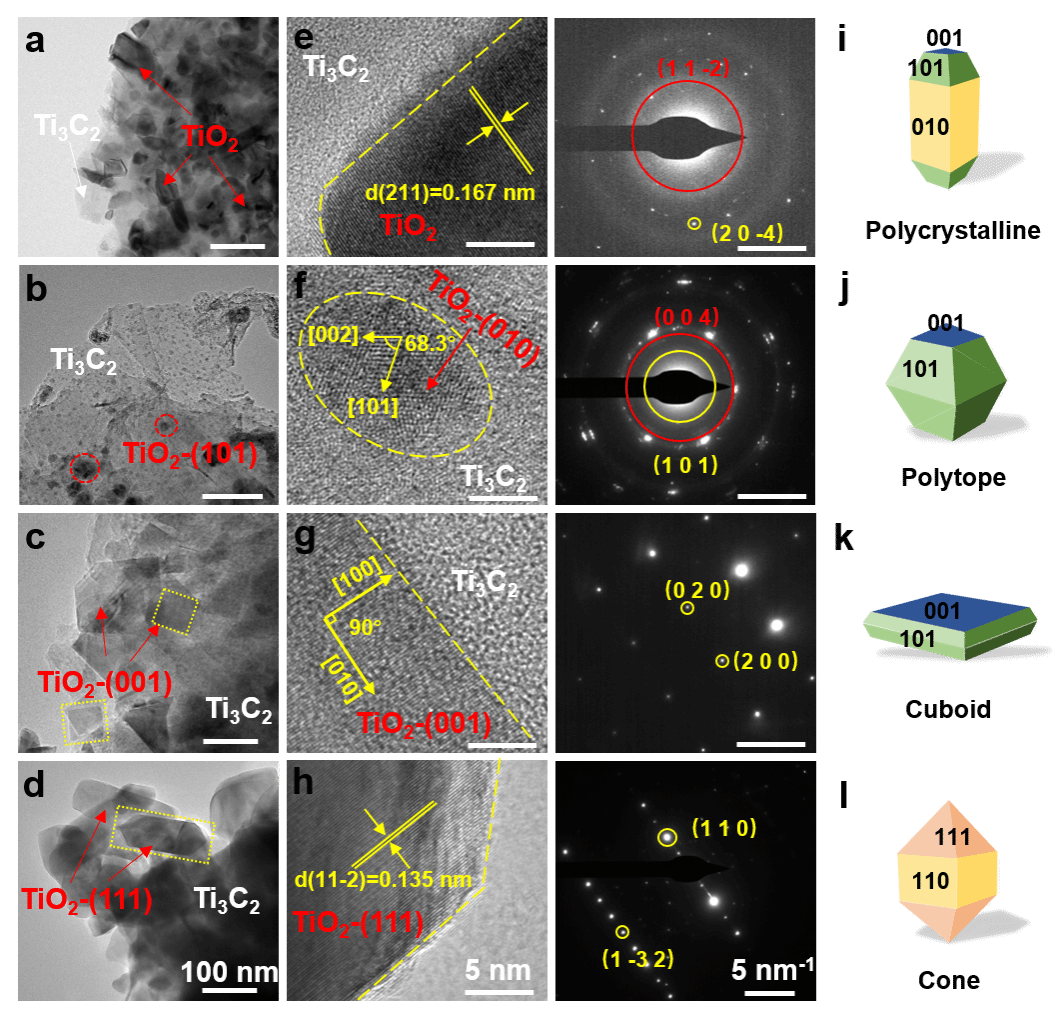
Figure 1. Characterization and crystal facet optimization of Ti3C2-TiO2 material heterostructure.
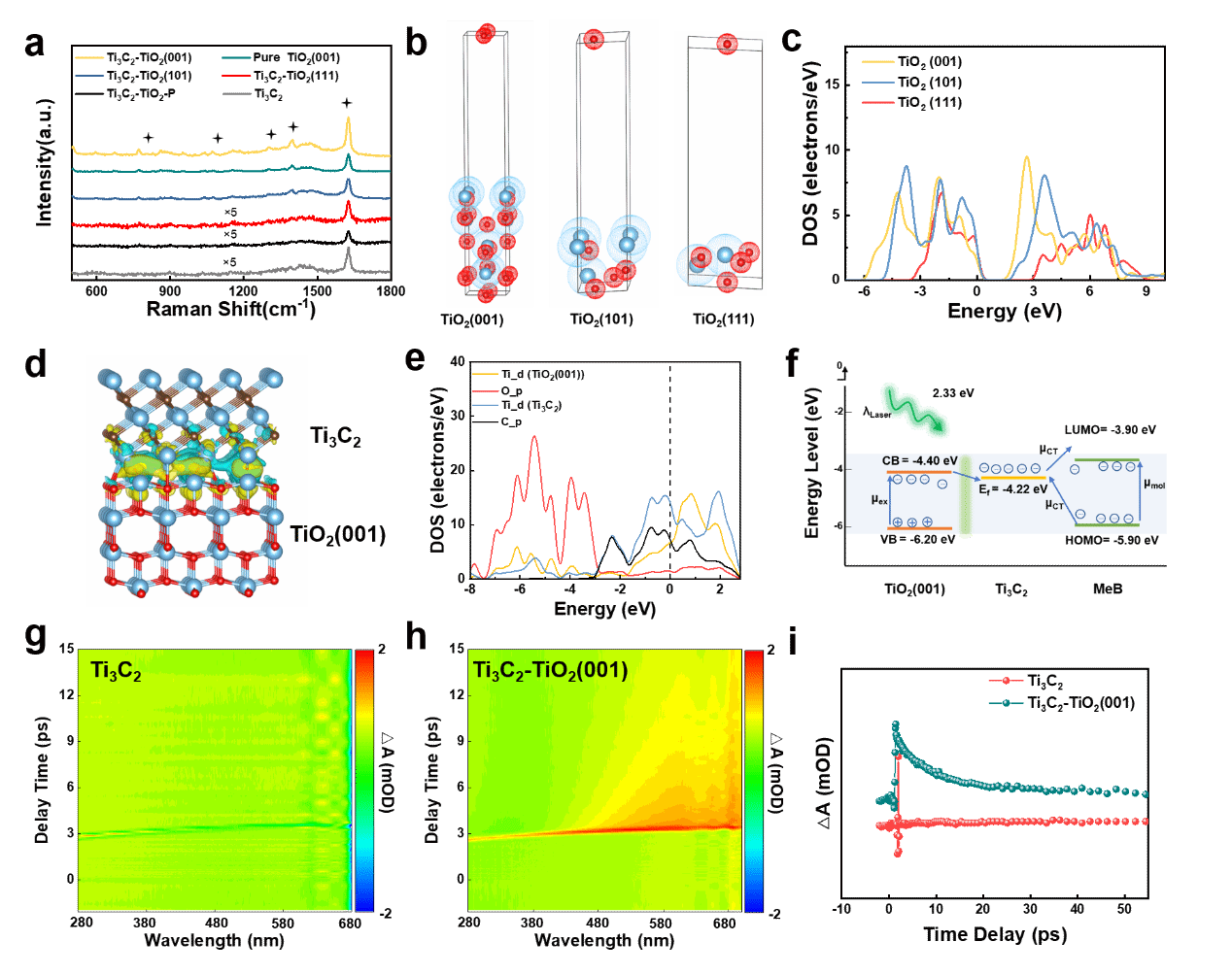
Figure 2. Electronic properties and charge transfer kinetics analysis of Ti3C2-TiO2 heterostructure.
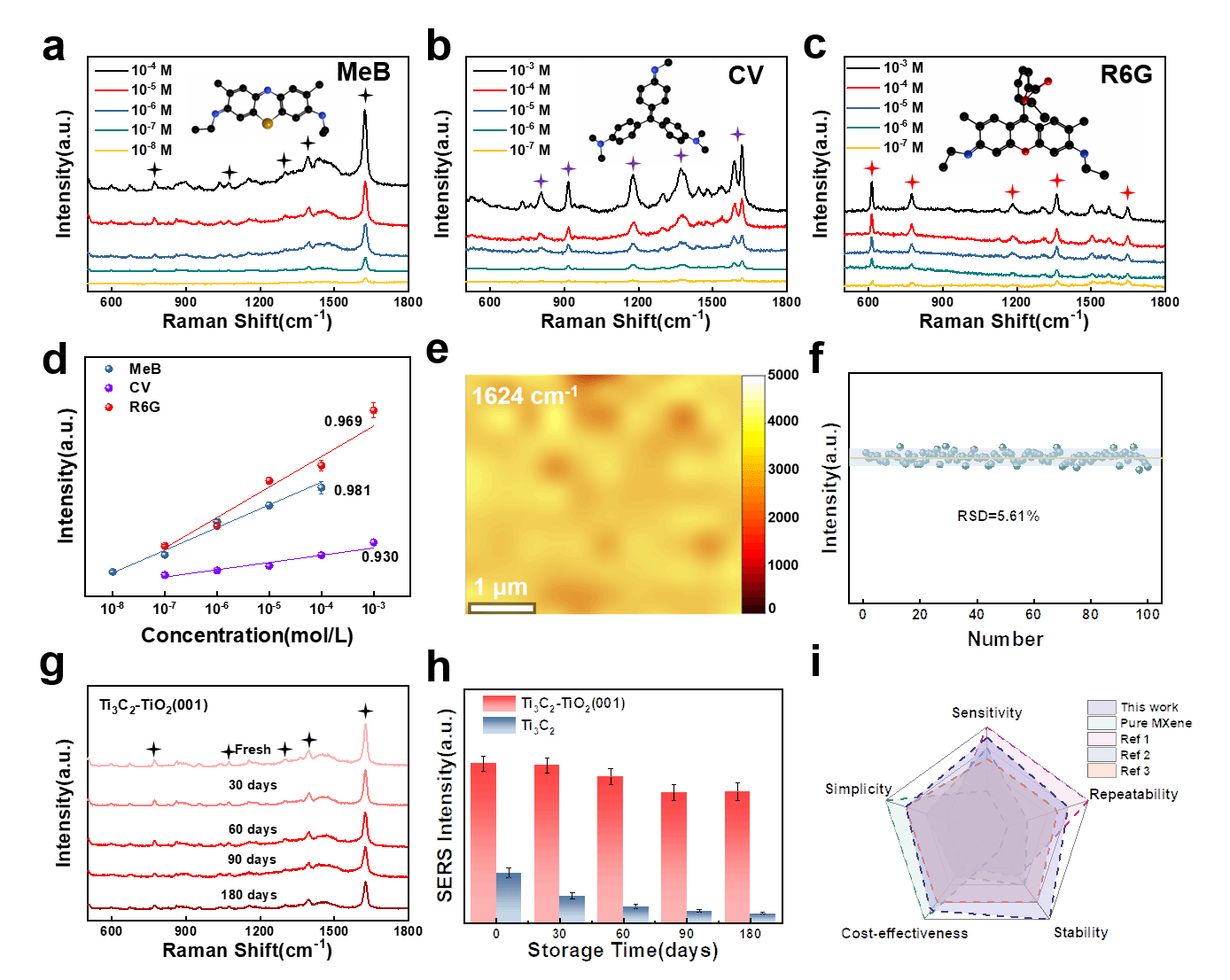
Figure 3. The performance of Ti3C2-TiO2 composite SERS substrate.