1. Introduction
Overcoming the energy density bottleneck of conventional lithium-ion batteries has emerged as a primary objective in the ongoing advancement of electrochemical energy storage. By integrating non-flammable solid polymer electrolytes (SPEs) with high-capacity lithium-metal negative electrodes and nickel-rich positive electrodes (e.g., NCM811), solid-state lithium metal batteries (SLMBs) are widely considered an ideal paradigm for reconciling ultrahigh specific energy with intrinsic safety. However, the practical deployment of solid electrolyte systems remains hindered by two formidable challenges. First, multiscale interfacial instability is exceptionally pronounced; particularly on the negative electrode side, severe parasitic reactions and uncontrollable dendrite growth severely restrict high specific power output and durable cycling performance. Second, critical industrial challenges in polymer manufacturing have yet to be fully resolved. Current processing methodologies struggle to simultaneously achieve ultrathin film formation and high mechanical robustness. Furthermore, there is a distinct lack of comprehensive safety validation—specifically regarding the material's thermal barrier and systematic defense mechanisms—under realistic and stringent constraints, such as low N/P ratios, large-format pouch cell configurations, and extreme abuse scenarios (e.g., thermal runaway and mechanical penetration).
2. Summary of Research Findings
To address these challenges, Professor Yue Ma’s group from the State Key Laboratory of Solidification Technology has developed a synergistic strategy combining catalytic in-situ polymerization with dual-additive regulation, explicitly tailored for Ah-level solid-state batteries. Regarding the construction of the solid electrolyte, the team achieved continuous roll-to-roll fabrication of a composite membrane by coating a 5 μm polyethylene (PE) base film with LATP nanoparticles. Leveraging the abundant Lewis acid sites on LATP, the in-situ polymerization conversion of DOL monomers reached an exceptional 99.1%. The resulting 9.6 μm ultrathin electrolyte simultaneously exhibits a robust mechanical strength of 191.7 MPa and an excellent ionic conductance of 418.7 mS.
For multiscale interfacial regulation, the researchers precisely introduced a dual-additive system. On the positive electrode side, TFPP was employed to construct a fluorine-rich cathode electrolyte interphase (CEI), which effectively suppresses transition metal dissolution and elevates the anodic stability limit to 4.8 V. On the negative electrode side, the in-situ reduction of Mg(TFSI)2 forms a lithiophilic Li–Mg alloy layer, which dramatically lowers the lithium-ion diffusion barrier to 0.127 eV, fundamentally inhibiting dendrite growth.
Building upon these dual material and interfacial breakthroughs, the team successfully assembled a 1.2 Ah Li||NCM811 pouch cell, which delivers an impressive system-level specific energy of 456.7 Wh kg⁻1. Fortified by the robust composite electrolyte barrier, the pouch cell successfully passed stringent industry-standard safety tests, including 5 mm nail penetration, 140 °C hot box, and 9.1 kg heavy-impact tests. This work provides a comprehensive, system-level blueprint for the engineering of solid-state batteries that reconcile ultimate specific energy with extreme abuse tolerance.
These findings were recently published in the premier international journal Nature Communications (doi.org/10.1038/s41467-026-76381-y) under the title " A catalytically polymerized solid electrolyte enables 450 Wh kg−1 lithium–metal batteries with thermal–mechanical abuse tolerance ". The first author of the paper is Ph.D. candidate Jiawen Tang, and the corresponding author is Professor Yue Ma.
3. Graphical Overview
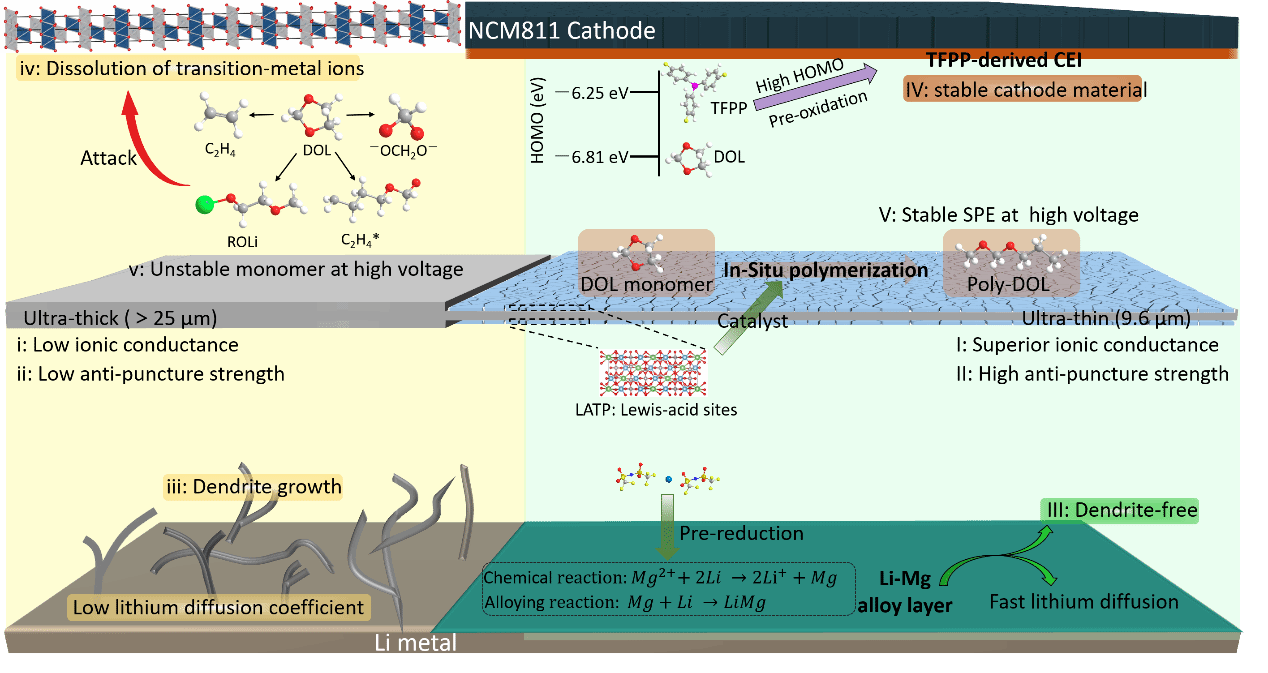
Fig. 1 Schematic illustration of Li||NCM811 cell model with the catalytic in-situ polymerization and dual-additive strategies.
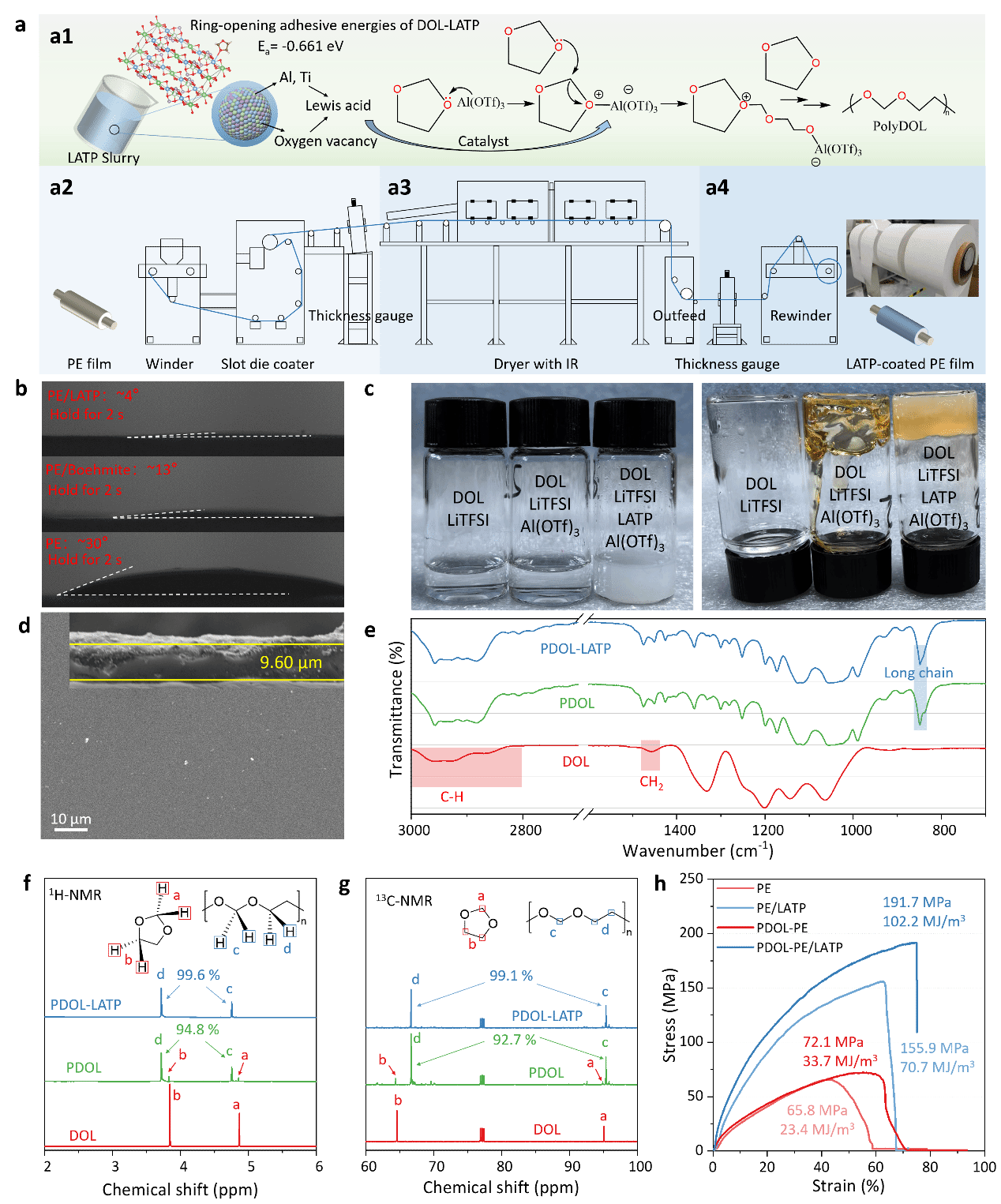
Fig. 2 Key characteristics of the PDOL-PE/LATP electrolyte.
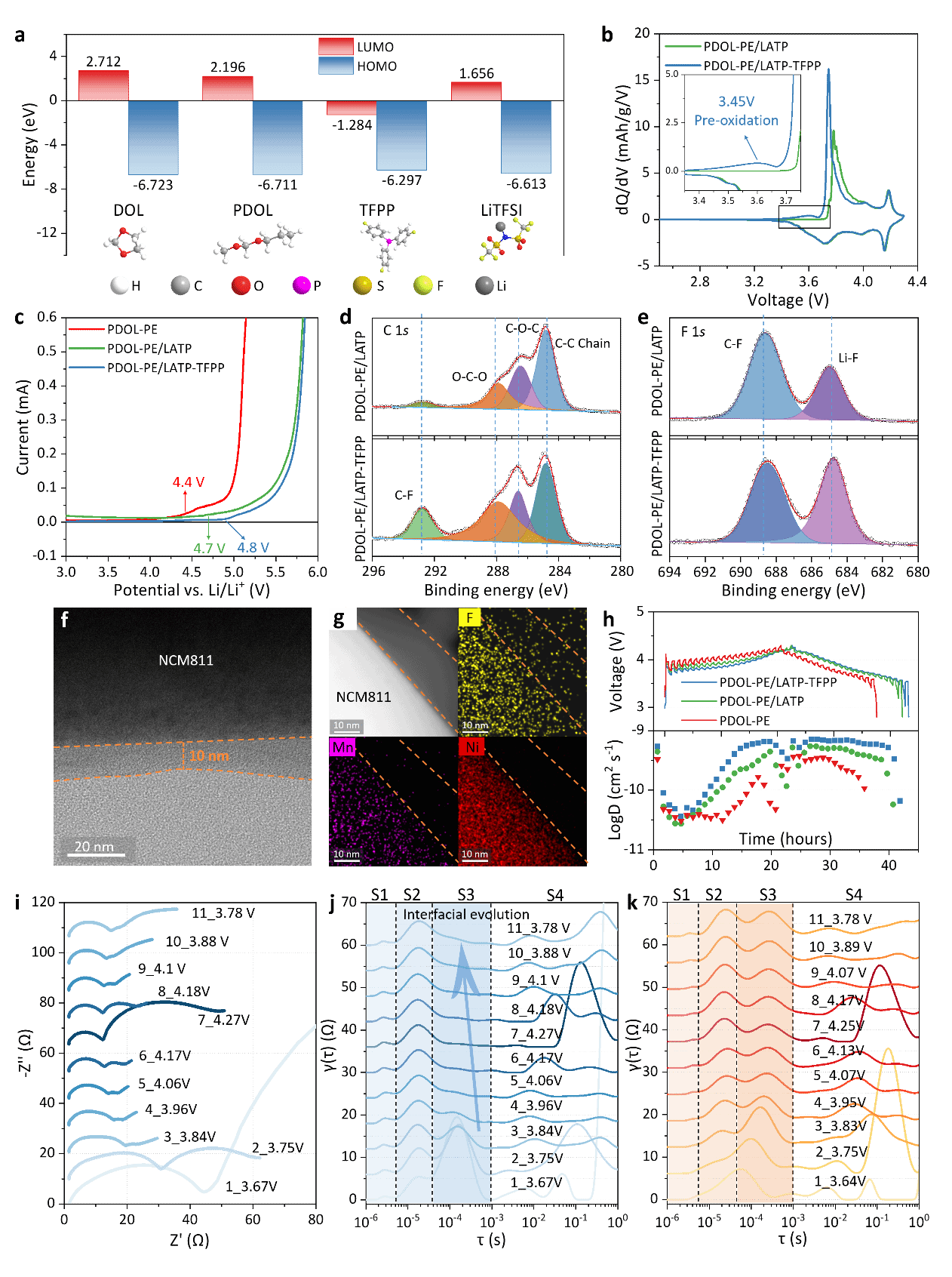
Fig. 3 Characterization of the TFPP-derived CEI and its effect on NCM811 interfacial stability. 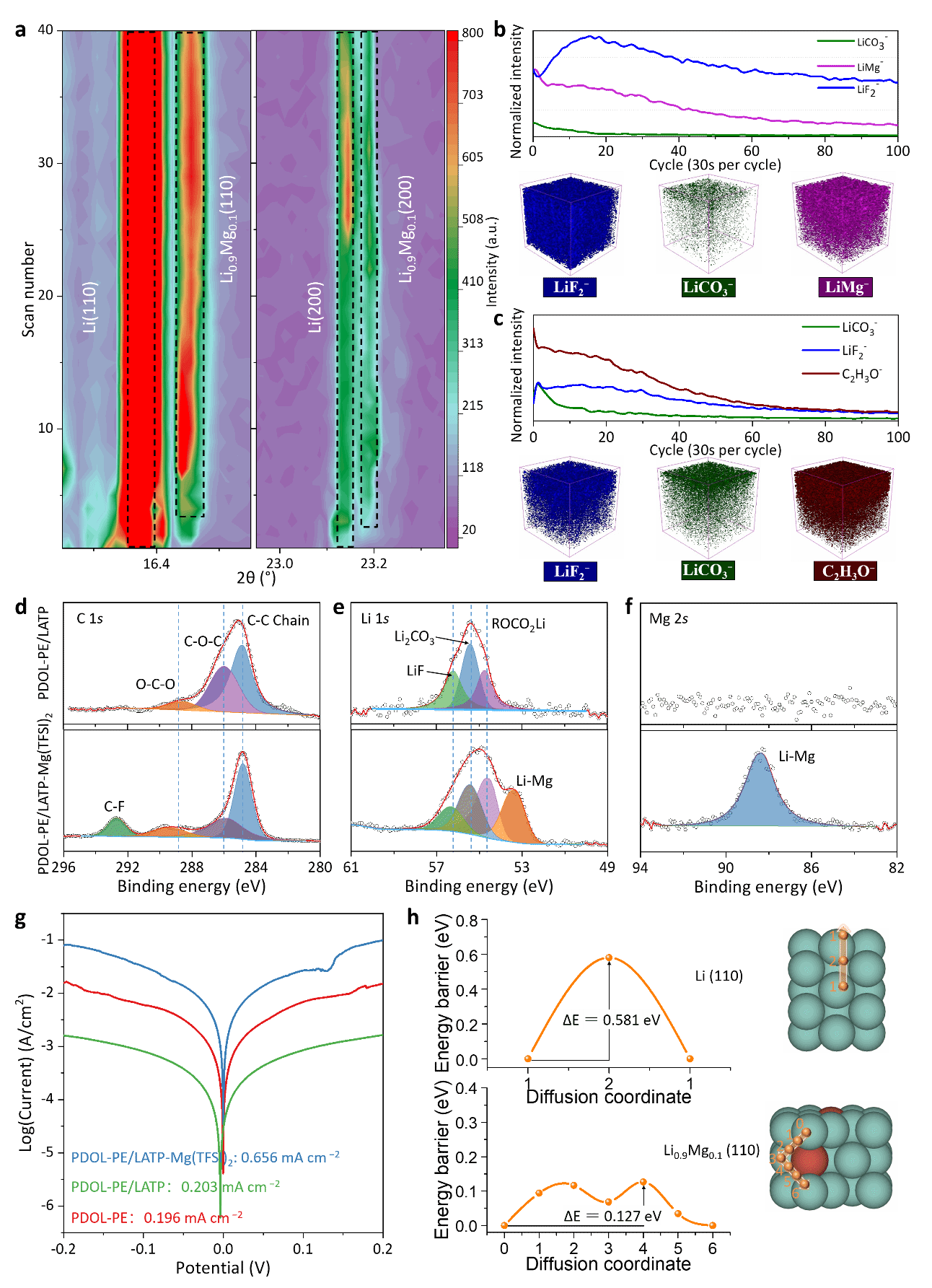
Fig. 4 The compositional characterization and spatial arrangement of Mg(TFSI)2-dervied SEI.
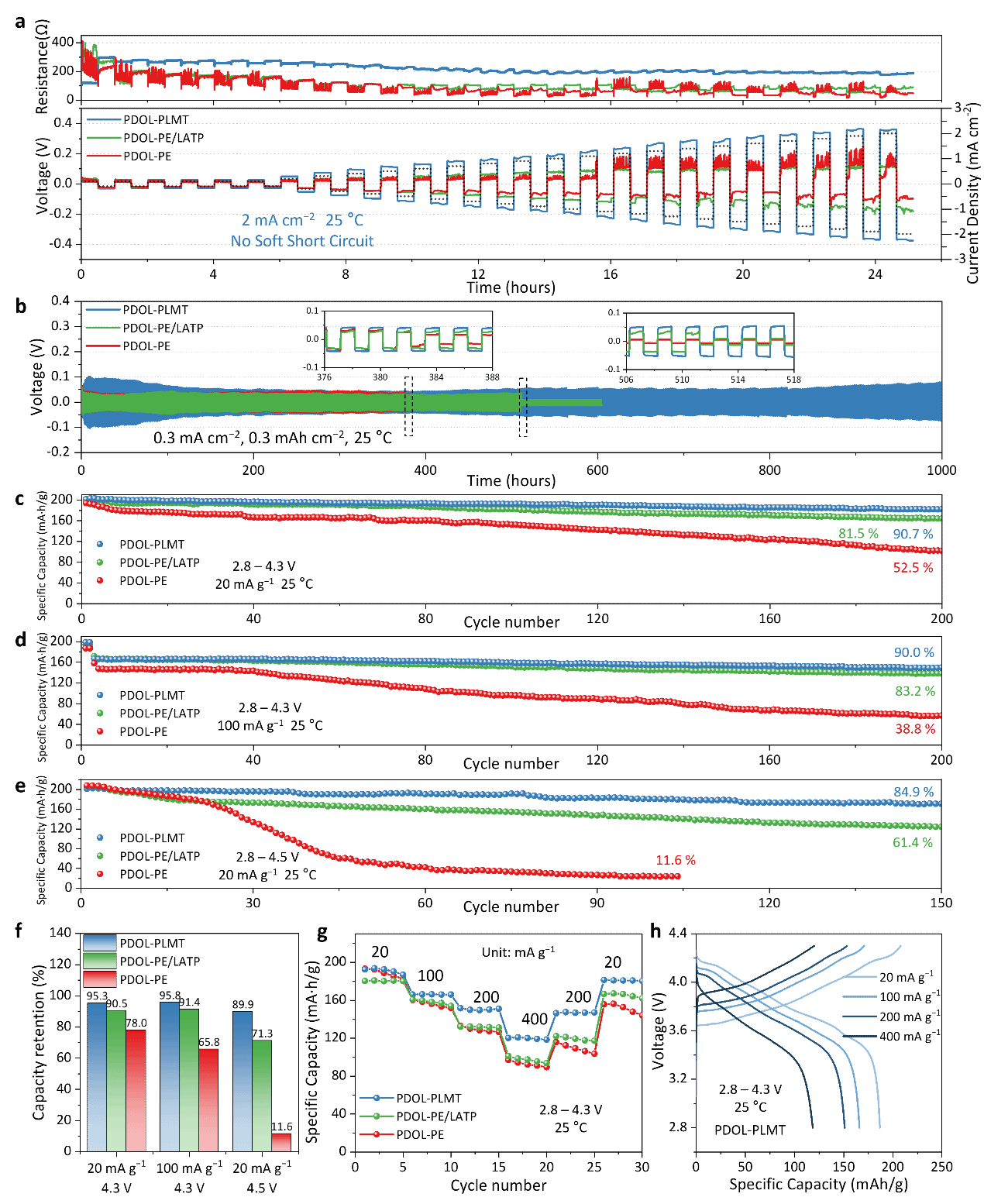
Fig. 5 Electrochemical performance of Li symmetric cells and Li||NCM811 coin-cell evaluations using PDOL-PE, PDOL-PE/LATP and PDOL-PLMT SPEs. 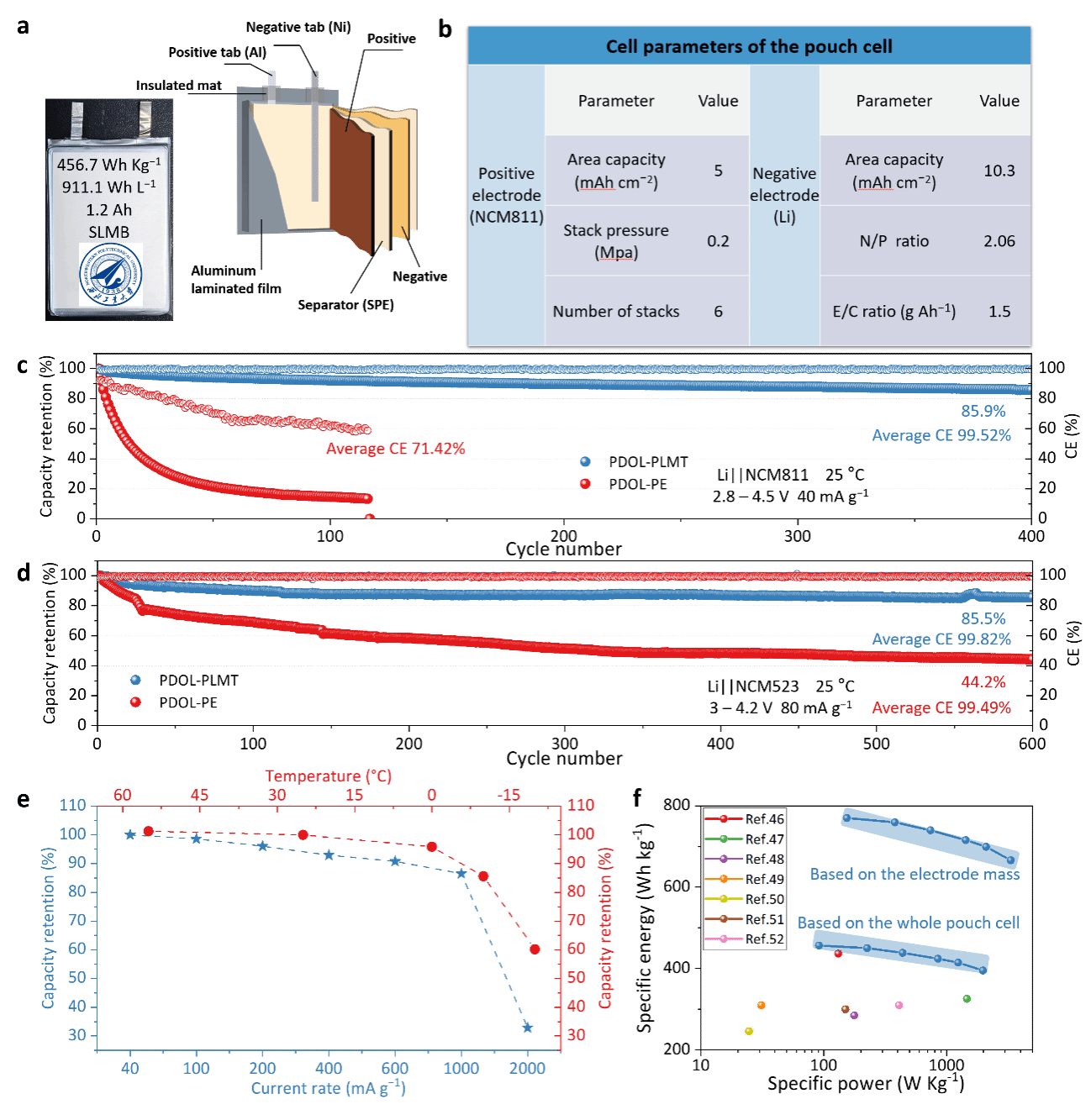
Fig. 6 The electrochemical performance of various pouch-format cell prototypes. 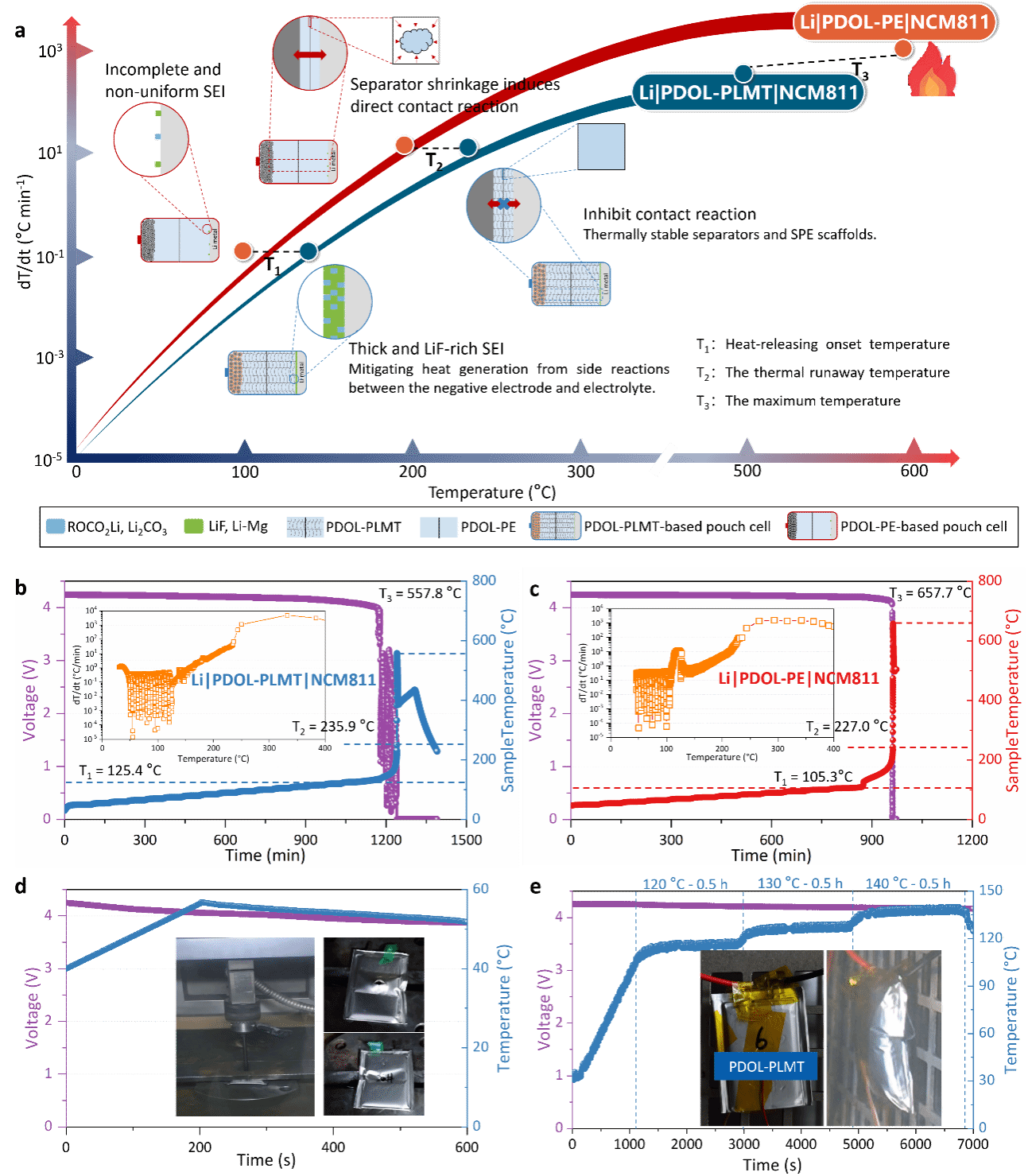
Fig. 7 Quantification and in-depth analysis of thermal runaway process for pouch-format cells.